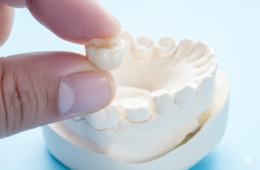
Dentures can be life-changing. They restore your smile, improve chewing, support facial structure, and help you feel confident again. But many patients don’t realize that dentures require proper care, adjustments, and healthy habits to stay comfortable and long-lasting.
In fact, some of the most common denture problems—like soreness, slipping, bad breath, or poor fit—are not because dentures are “bad,” but because of small mistakes people make after getting them.
If you wear dentures (or are planning to get them soon), here are the top 5 denture mistakes patients make and exactly how to avoid them.
Mistake #1: Thinking Dentures Are a “One-Time Fix”
One of the biggest misconceptions is that once you get dentures, you’re done with dental visits.
But your mouth continues to change even after dentures are placed. Over time, your jawbone naturally shrinks (bone resorption), and gum tissues shift. This can cause dentures to loosen, become uncomfortable, or stop fitting properly.
Why this is a problem:
Loose dentures can lead to:
- mouth sores
- difficulty chewing
- speech problems
- gum irritation
- infections
- embarrassing slipping while talking
How to avoid it:
Schedule regular denture checkups. Your dentist can recommend adjustments, relining, or replacement when needed. Most patients need denture evaluation at least once a year.
Mistake #2: Using Too Much Denture Adhesive
Denture adhesive can be helpful—but it’s not meant to “fix” a poor fit.
Many patients overuse adhesive to keep dentures in place, especially when the dentures start loosening. This can cause more harm than good.
Why this is a problem:
Overusing adhesive can lead to:
- gum irritation
- difficulty removing dentures
- bacteria buildup
- unpleasant odor
- swallowing excess adhesive
If your denture needs heavy adhesive daily, it’s often a sign it no longer fits correctly.
How to avoid it:
Use adhesive only in small amounts and only if recommended by your dentist. If you feel your dentures slipping often, book a denture adjustment instead of relying on glue.
Mistake #3: Not Cleaning Dentures Properly (Or Cleaning Them Wrong)
Many patients assume brushing dentures like natural teeth is enough. Some even use regular toothpaste, which can actually scratch denture material.
Improper cleaning is one of the fastest ways dentures develop stains, odor, and bacteria buildup.
Why this is a problem:
Poor denture hygiene can cause:
- bad breath
- gum infections
- fungal infection (denture stomatitis)
- mouth sores
- staining and buildup
How to avoid it:
Clean your dentures daily using:
- a soft denture brush
- denture cleanser or mild soap
- lukewarm water (never hot water)
Avoid abrasive toothpaste and harsh chemicals. Also, clean your gums, tongue, and palate daily—even if you don’t have natural teeth.
Mistake #4: Sleeping With Dentures In
This is extremely common. Some patients keep dentures in overnight because they don’t want to be without teeth, or they believe removing them will change face shape.
But wearing dentures 24/7 is not healthy for your gums.
Why this is a problem:
Sleeping with dentures can increase the risk of:
- gum irritation
- fungal infections
- bad breath
- pressure sores
- inflammation and swelling
Your gums need time to rest and recover.
How to avoid it:
Remove your dentures at night unless your dentist specifically advises otherwise. Soak them in a denture solution or water overnight to keep them clean and prevent drying.
Mistake #5: Eating the Wrong Foods Too Soon
After getting new dentures, many patients immediately try eating hard or sticky foods. This can cause discomfort, slipping, and even denture damage.
Adjusting to dentures takes time, and your mouth needs to adapt.
Why this is a problem:
Eating the wrong foods early can lead to:
- sore gums
- ulcers
- cracked dentures
- difficulty chewing
- denture misalignment
Hard foods can also weaken the denture base over time.
How to avoid it:
Start with soft foods like:
- yogurt
- mashed potatoes
- rice
- soft fruits
- soups
- scrambled eggs
Cut food into smaller pieces and chew slowly on both sides of the mouth to balance pressure. Avoid chewing ice, hard nuts, sticky candies, and extremely crunchy foods.
Bonus Mistake: Ignoring Pain or Sores
Many patients think soreness is “normal” and just tolerate it. While mild discomfort is common initially, ongoing pain is not normal.
If your dentures are rubbing or causing sores, it usually means the fit needs adjustment.
How to avoid it:
If you have pain lasting more than a few days, visit your dentist for a quick denture adjustment. Small fixes can make a huge difference.
Dentures Work Best When You Take Care of Them
Dentures can restore your confidence and quality of life, but they’re not maintenance-free. The biggest denture issues usually happen because of small daily habits that patients don’t realize are harmful.
To keep dentures comfortable and long-lasting, remember:
- regular dental checkups matter
- cleaning correctly is essential
- adhesives shouldn’t replace proper fit
- your gums need rest
- food choices affect comfort and durability
With the right care, dentures can last for years and continue to feel natural and secure.
Schedule a Denture Checkup Today
If your dentures feel loose, uncomfortable, or are causing irritation, don’t wait. A quick adjustment can restore comfort and improve fit.
Book an appointment today and keep your dentures working the way they should.